Veneers in Morocco: what to know before you decide
Veneers can transform a smile, but they are a lasting decision. Here is how to choose the right material, avoid the “too white” look and know when another option would serve you better.
What veneers can and cannot do
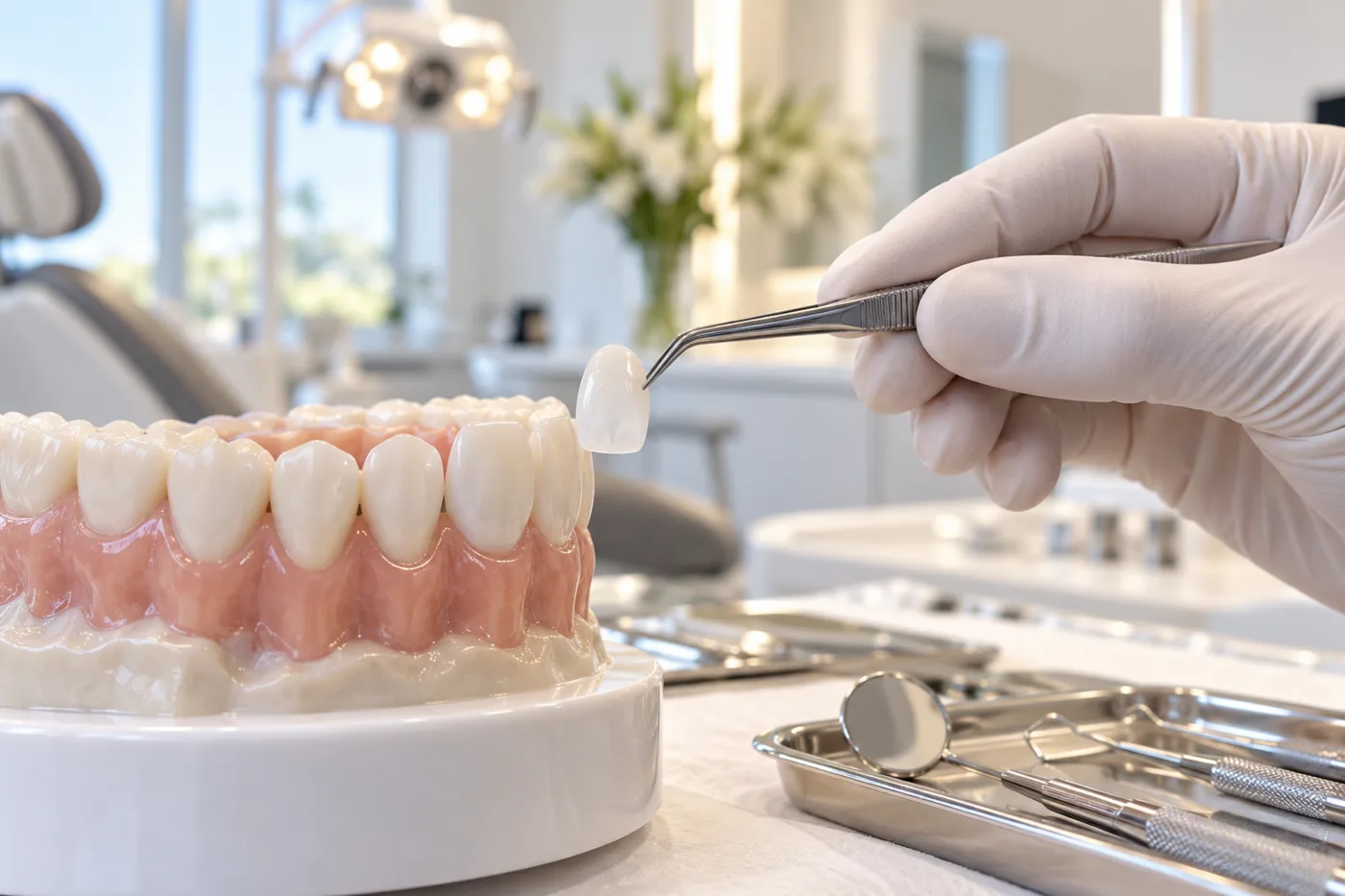
A veneer is a thin shell bonded to the visible surface of a tooth. Veneers can correct discolouration, chips, worn edges, small gaps and irregular shapes. They do not treat decay, gum disease or a serious bite problem, and they are not the right answer for every smile.
Your dentist should first assess your teeth, gums and bite. Grinding your teeth at night, for example, may call for extra protection or a different plan.
E.max or composite: which should you choose?
| E.max ceramic veneer | Direct composite veneer | |
|---|---|---|
| Material | Lithium disilicate ceramic | Resin layered in the clinic |
| Appearance | Natural translucency | Good, may stain sooner |
| Time | Several appointments | Often one appointment |
| Preparation | Light, depends on the case | Often minimal |
| Repair | Replacement if damaged | Usually repairable |
| Fee per tooth | €500 | €100 |
Indicative EstheticaPlus fees, updated July 2026. Your final quote is confirmed after the clinical examination. See the full price list
Neither option is right for everyone. Ceramic often suits a long-term, full-smile project. Composite can be a sensible choice for small changes or for younger patients. You can compare options in more depth in our guide to E.max veneers and zirconia crowns.
How to keep the result natural
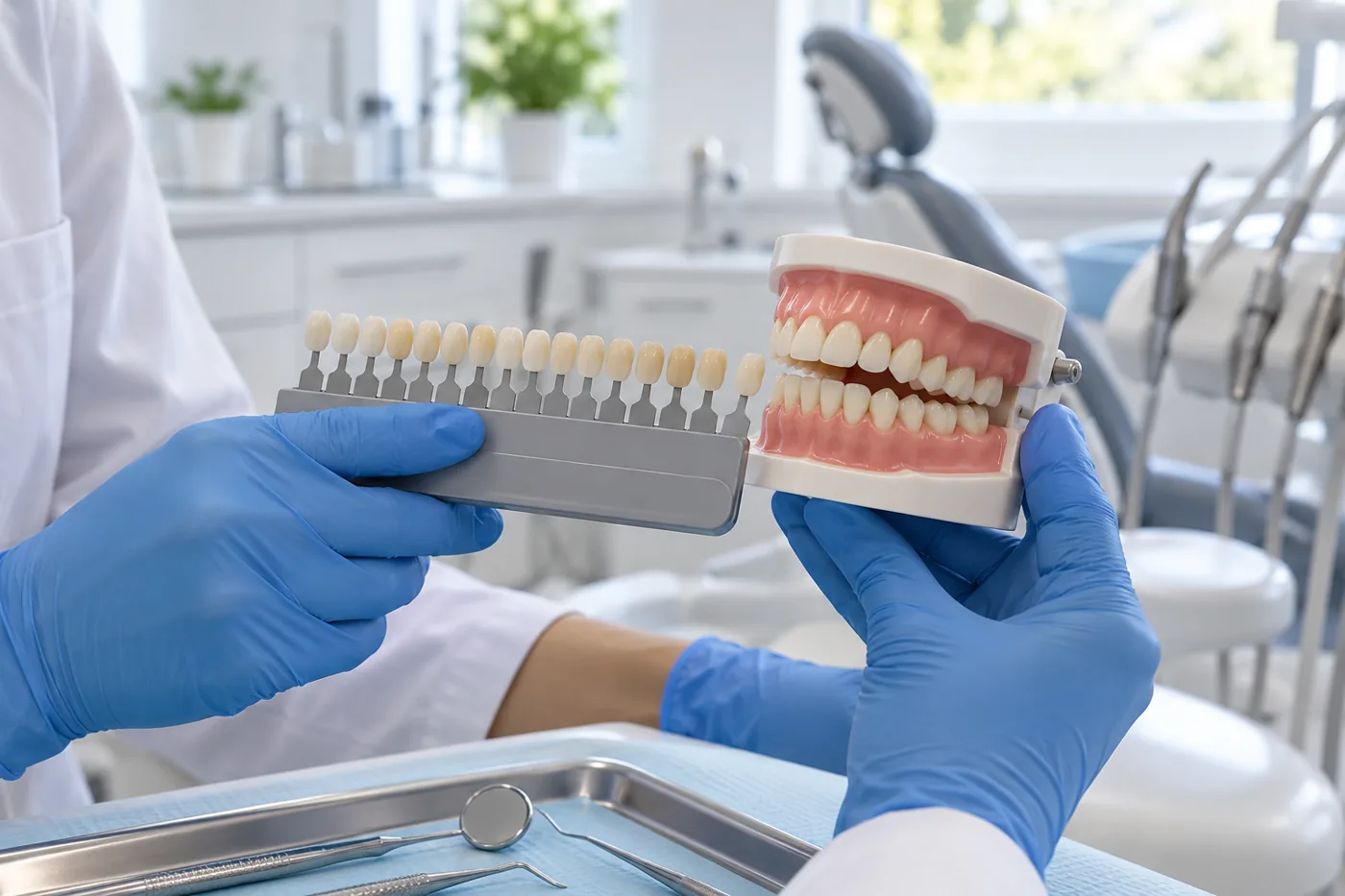
The “too white, too big” look usually comes from choices made during planning. A natural smile respects your face, your lips and your existing teeth. Talk through these points before treatment starts:
- The shade: bright white is not always the most flattering choice
- The shape and length of each tooth
- How many teeth really need treatment
- How the veneers will look when you speak and smile
Ask for a preview, such as a digital design or trial smile, so that you can give your opinion before the final veneers are bonded. Our before and after gallery shows the kind of result we aim for.
The treatment step by step
Consultation and photos
We check your oral health and talk through what you would like to change.
Design
Your new smile is planned and previewed.
Preparation
Teeth are prepared only as much as the plan requires, and temporaries may be fitted.
Try-in
You check the shade and shape before anything becomes final.
Bonding and bite check
Veneers are fixed and your bite is adjusted.
Alternatives worth considering
Sometimes a simpler treatment gives you what you want while preserving more of your natural teeth.
Whitening
Ideal if your only concern is the colour of healthy teeth.
Diastema closure
Small gaps can often be closed with composite.
Invisalign
Aligning teeth first can reduce the need for veneers.
Crowns
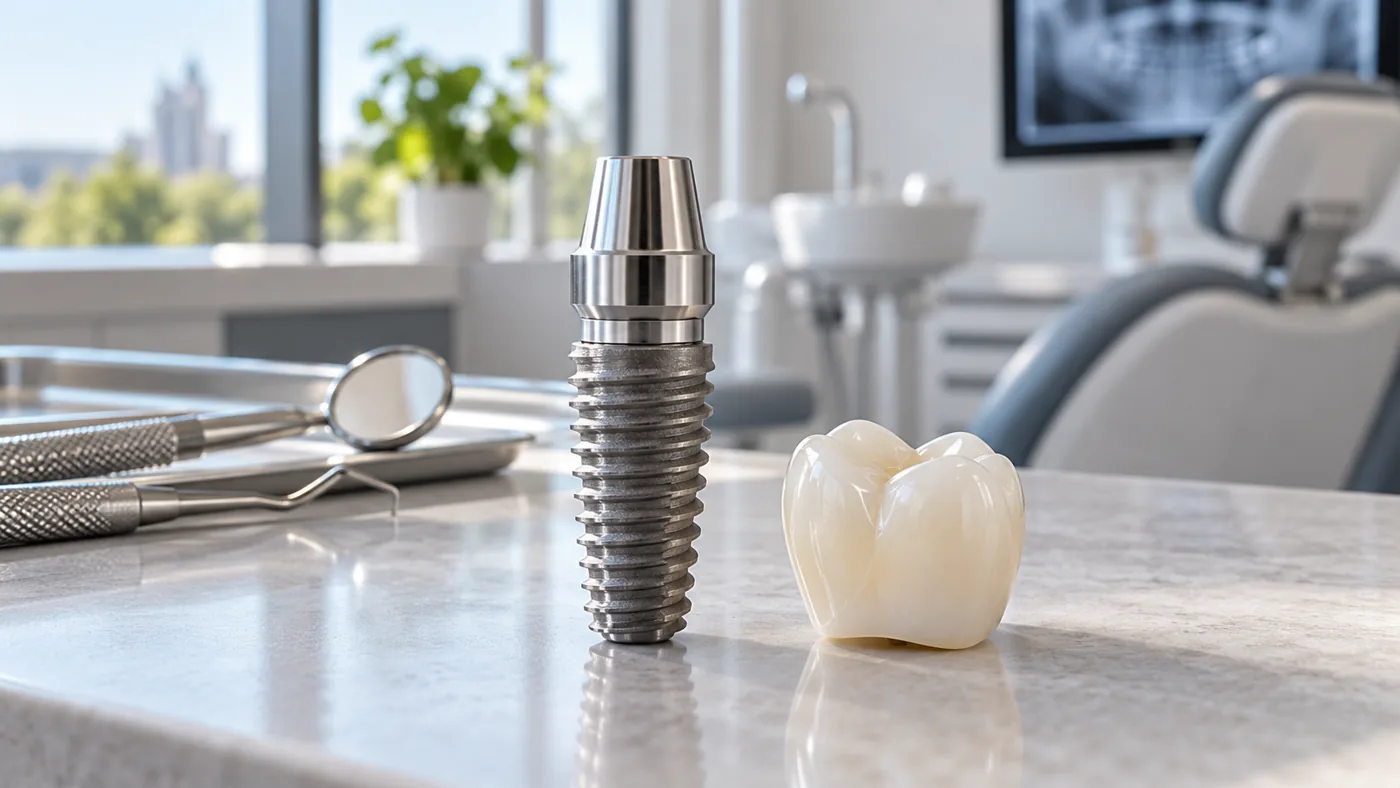
Better suited to teeth with extensive damage.
Caring for your veneers
Treat veneers like natural teeth: brush twice a day, clean between your teeth and keep your check-ups. Avoid biting hard objects or opening packets with your teeth. If you grind at night, ask about a protective night guard.
At EstheticaPlus, veneers carry a two-year written warranty covering colour, bonding and integrity, subject to the conditions on our price page. Ceramic veneers can last many years with proper care, but they will not necessarily last forever, and they may need replacing at some point.
If you are travelling for treatment, read our guide to planning your stay in Tangier.
Included with every treatment stay
- Airport to clinic transfer
- Help booking your hotel
- Assistance in French, English, Arabic and Spanish
- Post-operative follow-up
- Written treatment guarantees
- Dedicated WhatsApp line
Your passport does not change the price of your treatment.EstheticaPlus pricing principle
Frequently asked questions
Do veneers damage your teeth?
Ceramic veneers can require a small amount of enamel to be removed, and that step cannot be reversed. This is why a veneer should only be placed when it is truly justified.
Does getting veneers hurt?
Treatment is generally comfortable, and local anaesthetic can be used when needed. Some temporary sensitivity is possible.
How long does treatment take in Tangier?
Composite veneers can often be completed in one appointment. Ceramic veneers need several visits, so ask for a written schedule if you are travelling.
Can I whiten my teeth after veneers?
Whitening does not change the colour of ceramic or composite. If you want a brighter smile, whiten your natural teeth before the shade of your veneers is chosen.
Keep reading

Sources and further reading
This guide is general information and does not replace a consultation. Every treatment plan depends on a clinical examination by a dentist.
Talk to the clinic before you decide
Send your photos or panoramic X-ray on WhatsApp. You will receive a personalised, no-obligation answer, usually within 24 hours.